

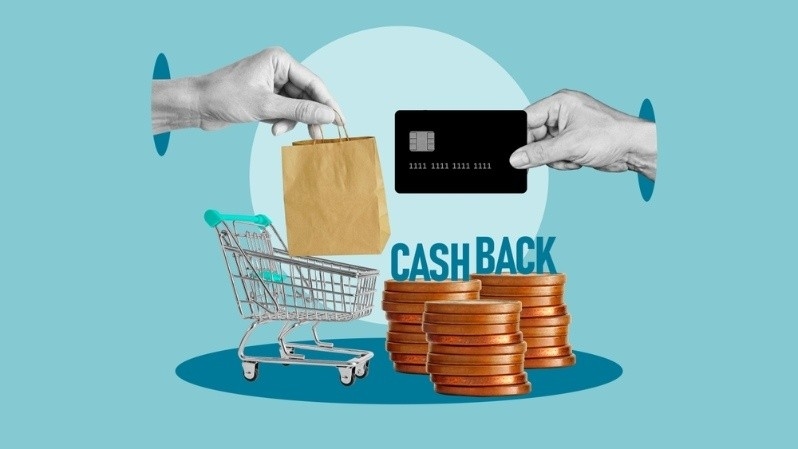
Most people think saving money online starts and ends with coupon codes. They search for a quick discount, apply it at checkout, and feel pretty good about it. Fair enough. But that is only one part of the picture. A lot of shoppers miss another easy way to spend less without changing what they buy. That is where cashback programs come in.
The idea is simple. A shopper buys something through a cashback site, app, credit card, or store reward system, and part of the money comes back later. Sometimes it is a few cents. Sometimes it is a few dollars. And on bigger purchases, it can be enough to make a real dent in the total cost.
That sounds small at first. Tiny, even. But online shopping has a sneaky way of adding up. Toiletries, birthday gifts, electronics, and random home items bought at 11:40 p.m. because they looked useful. It all stacks. So when cashback stacks too, the savings start to feel less like a bonus and more like a system.
At their core, cashback options reward spending that was already going to happen. A person buys laundry detergent, sneakers, phone accessories, or kitchen tools and then gets a percentage back after the order is completed. No complicated trick. No weird math. Just money returned.
That is why cashback programs appeal to practical shoppers. They do not need someone to tell them to stop buying coffee forever or live like a monk. They just want to spend a little smarter. And honestly, that is more realistic for most people.
Some cashback tools work through browser extensions that alert shoppers when a store offers rewards. Others work through shopping portals where users click a store link before making a purchase. Some credit cards offer cashback automatically in certain categories like groceries, travel, or online spending. A few retailer loyalty systems even give cashback in the form of store credit or reward points.
Used well, these tools reduce the final cost of things people were already planning to buy. That is the sweet spot.
Here is the basic flow. A cashback platform partners with online retailers. When a shopper clicks through that platform and buys something, the retailer pays a commission to the platform. Then the platform shares part of that commission with the shopper as cashback.
That is the clean version. In real life, there can be details. Cashback may not apply to taxes, shipping, gift cards, or specific product categories. Sometimes it takes days to track. Sometimes weeks to become payable. Annoying? A bit. But still worth understanding.
A beginner does not need ten apps and a spreadsheet on day one. One or two good tools are enough to start. This is where a cashback shopping guide beginners search can help someone compare options and pick what feels easiest. The goal is not to become obsessed. It is to build one small habit before checkout.
And yes, habits matter here. Because cashback is not useful if a shopper remembers it only after hitting the Buy Now button.
This is where things get interesting. The biggest benefit of cashback is not just the reward itself. It is the ability to combine savings methods without turning shopping into a full-time job.
A shopper might use a sale price, apply a coupon, pay with a cashback credit card, and activate a cashback offer through a browser extension. That is stacking. Not every store allows every combination, but many do. That is why people keep looking for the best cashback strategies online shopping before buying higher priced items.
Timing also matters. Cashback rates often rise during holidays, back to school season, or special store promotions. A person buying a laptop today for 2 percent back may get 8 percent next week. That difference is real money. Waiting a day or two can sometimes be smarter than rushing.
Another useful habit is comparing cashback offers across platforms. One site may offer 3 percent at a retailer, while another offers 6 percent. Same store. Same product. Different reward. That takes maybe thirty seconds to check, and those seconds pay off.
This part trips people up. Cashback works best when it supports planned spending, not impulse spending. If someone buys extra stuff just because there is a reward attached, the savings are fake. Harsh, maybe, but true.
Another mistake is ignoring the terms. Some shoppers forget that using an unapproved coupon code can void cashback. Others return items and wonder why the reward disappeared. That is normal. Cashback usually applies only to completed, eligible purchases.
It also helps to keep realistic expectations. Earning cashback from purchases tips is helpful, but cashback will not magically fix overspending. It is not a financial rescue button. It is more like a small lever that improves good shopping habits over time.
Tracking matters too. A shopper should occasionally confirm that purchases were recorded correctly. Not constantly. Nobody needs that stress. But checking pending rewards once in a while can prevent missed payouts.
Seasoned shoppers tend to keep things simple. They use one main cashback portal, one backup option, and one good rewards card. That is usually enough.
They also pay attention to store exclusions, payout thresholds, and special events. Some know useful cashback website tricks, like activating browser notifications for rate increases or checking cashback comparison tools before making bigger purchases.
Gift buying is another underrated area. Holiday orders, wedding presents, school supplies for kids, and even bulk household items can all produce cashback. The reward from one order may seem small, but a full season of planned shopping can return a decent amount.
Then there is the habit of redeeming cashback wisely. Some people cash out as soon as possible. Others let it build and use it for a holiday budget or emergency fund. Both are fine. The better choice depends on what keeps the money from disappearing into random spending.
The most effective shoppers are not chasing every tiny deal. They are consistent. They know what they need, compare options, and buy with intention. That is what turns rewards into results.
This is also where maximizing cashback rewards becomes more than a catchy phrase. It means using cashback as part of a bigger shopping routine. Make a list. Wait for better rates when possible. Stack with coupons carefully. Avoid emotional purchases. Repeat.
Later on, a shopper may revisit a cashback shopping guide beginners or look up fresh earning cashback from purchases tips to refine the process. They might also test a few more cashback website tricks or explore maximizing cashback rewards during seasonal sales. The point is progress, not perfection.
Because in the end, online shopping is probably not going anywhere. People will keep buying everyday things, fun things, and boring things. So the better question is not whether they should shop. It is whether they should leave easy savings behind.
Many cashback sites and apps are free for shoppers. They earn money from retailer commissions, then share part of that with users.
Often, yes. But some coupon codes can cancel cashback eligibility, so shoppers should always check the terms before placing an order.
Usually not. Cashback often starts as pending and becomes available after the store confirms the purchase, which can take days or weeks.
This content was created by AI