

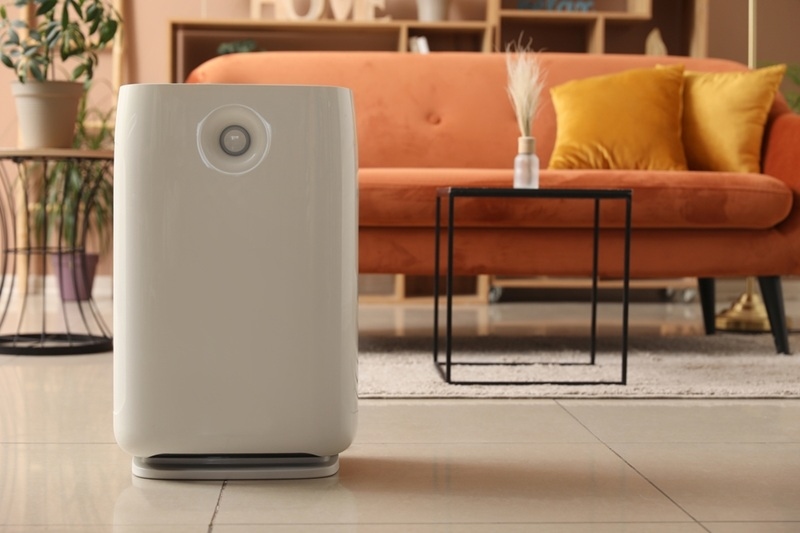
Indoor air quality is something more people are starting to worry about at home. Dust, pollen, pet hair, smoke—these all find their way inside and mess with your health. If you’ve ever woken up stuffy or struggled with allergies, you know exactly how much poor air can ruin a good day (or night). No wonder so many folks have turned to air purifiers for some relief.
So, what’s the deal with air purifiers? How do they actually work? And which ones make a real difference at home? Let’s break it down.
Lots of options exist out there, but some become the leaders by being dependable and actually performing what they market:
This one is perfect if you are a fan of gadgets. It connects to your smartphone and enables you to monitor the air quality live. Besides that, the purifier traps dust, smoke, and pollen effortlessly.
If you’ve got a small bedroom or a cozy living room, this is a great pick. The True HEPA filter really helps people with allergies, and since it’s so compact, you can fit it just about anywhere.
If you're after a simple and effective piece, then this unit is your best bet. It includes a highly efficient HEPA filter, and its simple design can easily match any room you have.
Dyson’s option doubles as a fan, so you get airflow and clean air. It also has advanced sensors that adjust settings automatically, which is pretty handy.
This one’s all about consistency and smart features. It filters efficiently and keeps you updated on your home’s air quality.
If you want to breathe easier at home, any of these purifiers can help clean up your space and keep your air fresh.
These purifiers suck in the air around you and run it through layers of filters that grab all the nasty stuff—dust, pollen, smoke, even bacteria and pet dander. The best ones, the ones that really make a dent, use HEPA filters. These things trap even the tiniest particles, so you breathe cleaner air.
If you’ve got allergies, a solid air purifier can be life-changing. People see less sneezing, less itchy eyes, and sleep better when they use one regularly. They’re especially handy if you live in a city with lots of pollution or if allergy season turns your home into a sneezing contest.
Picking the right air purifier isn’t just about grabbing the first one you see. There are a few features that actually matter:
Keep these in mind, and you’ll avoid most of the common mistakes people make when buying.
You don’t have to spend a fortune to get cleaner air at home. Plenty of brands make an affordable air purifier with HEPA filters that actually work. Even budget models do a solid job of removing allergens and freshening up the air indoors.
If you’re buying for a small space, like a bedroom or a tiny office, you’ll find lots of compact purifiers that come with powerful HEPA filtration but skip all the bells and whistles you probably don’t need. They’re perfect for places where you want simplicity and performance without breaking the bank.
A good budget air purifier with a HEPA filter easily catches dust, pollen, and pet dander. That’s why so many people go for these—they just get the job done. When you’re shopping around, pick one that matches your room size and actually moves enough air to keep things fresh.
Let’s be real, nobody wants a loud hum in the background when they’re trying to sleep. That’s why quiet air purifiers are such a hit for bedrooms. You can let them run all night and barely notice they’re there.
A lot of newer models come with sleep modes—just tap a button, and the fan slows down, noise drops, but they keep cleaning the air. The Xiaomi and Philips models are good examples. They’re quiet, but they don’t slack off on filtration. If you deal with allergies or just want cleaner air while you sleep, running one of these through the night really helps.
Allergy sufferers know the struggle—sneezing, itchy eyes, the whole deal. The right air purifier can make a huge difference. The best purifiers use more than one filter—a True HEPA filter grabs the tiny particles, while an activated carbon filter takes care of smells.
You want a purifier that moves air well and covers the size of your room. These machines are a real game-changer during allergy season or if you’ve got pets around. A solid purifier keeps your air cleaner, so you can actually breathe easier.
There are a ton of choices out there, so taking the time to compare them saves you a lot of hassle. Here’s what actually matters:
Some models even throw in smart extras like app controls or built-in air quality sensors. Others focus on energy efficiency, so you can leave them running all day without stressing about your electric bill.
When you line up these features, it’s a lot easier to figure out which one really works for your place.
Honestly, it’s not as complicated as it seems. Just keep this checklist in mind:
Stick with these basics, and you’ll end up with a purifier that actually does the job.
Air purifiers are easy to forget about once they’re running, but they do need some attention. The filters fill up with dust and gunk, so you have to clean or replace them as the instructions say.
Pre-filters handle bigger stuff and usually just need a rinse. HEPA filters last several months, then you swap them out. Keeping up with maintenance means your purifier keeps working like it should and lasts a lot longer.
Indoor air can get surprisingly dirty—dust, pollen, smoke, and all sorts of stuff float around without you noticing. Using a good air purifier clears out a lot of that junk and just makes your place feel fresher.
Take a good look at your options—it’s the best way to figure out what’ll really work for you. The right air purifier, plus some basic upkeep, makes a world of difference. You get fresher air, fewer sneezes, and your home just feels healthier.
Definitely, HEPA filters pull dust, pollen, and pet dander out of the air, so you notice fewer allergy flare-ups.
Go for one with a True HEPA filter and solid airflow. Those are the ones that actually trap the tiny stuff that sets off your allergies.
Yes, you can get a solid air purifier with a HEPA filter that cleans the air well without costing a lot.
Definitely, quiet models keep running through the night and won’t mess with your sleep.
This content was created by AI